It looks like that model of train was originally produced between 1995 and 1997. They were refurbished between 2008-2010. I’m not sure if that is a long time of service or not, though.
That’s somewhat average, I would say. I was actually told that the Japanese only keep their high speed trains on service for about 20 years, this is obviously longer than that. In many other countries, high speed trains built in the 90s are still in service. Mind you, the birth of high speed trains was around 1990, so it’s hard to really compare with much. Conventional rail vehicles can last very long, though - rolling stock that is 40 years old or older isn’t exactly the exception. Often the problem is less the state of the rolling stock (especially with the older stuff, which was often built more solidly), but passengers’ expectations. In fact, passenger expectations changing too quickly for durable, long lasting trains can be a significant issue.


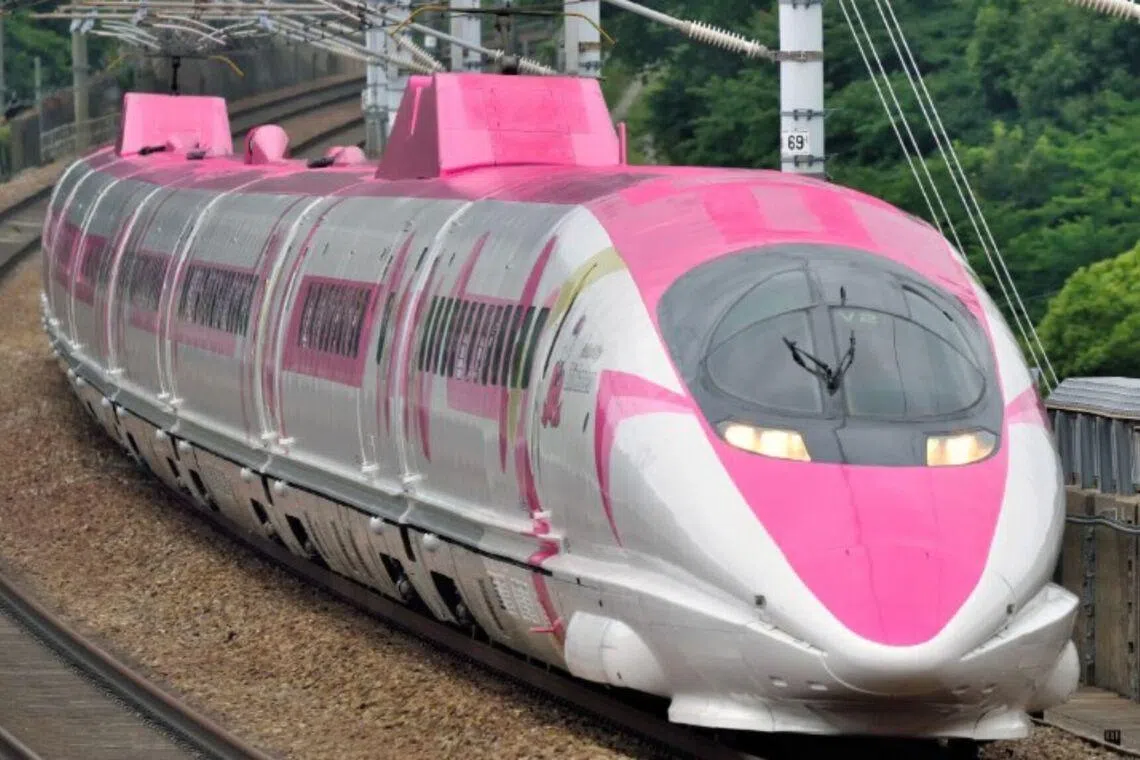
It looks like that model of train was originally produced between 1995 and 1997. They were refurbished between 2008-2010. I’m not sure if that is a long time of service or not, though.
That’s somewhat average, I would say. I was actually told that the Japanese only keep their high speed trains on service for about 20 years, this is obviously longer than that. In many other countries, high speed trains built in the 90s are still in service. Mind you, the birth of high speed trains was around 1990, so it’s hard to really compare with much. Conventional rail vehicles can last very long, though - rolling stock that is 40 years old or older isn’t exactly the exception. Often the problem is less the state of the rolling stock (especially with the older stuff, which was often built more solidly), but passengers’ expectations. In fact, passenger expectations changing too quickly for durable, long lasting trains can be a significant issue.