
Someone who can read tell me if they corrected for income? Because I’m thinking living near nice areas costs more, and that people who have that kind of money are simply less likely to be on these types of medicine?
Yes, they did.
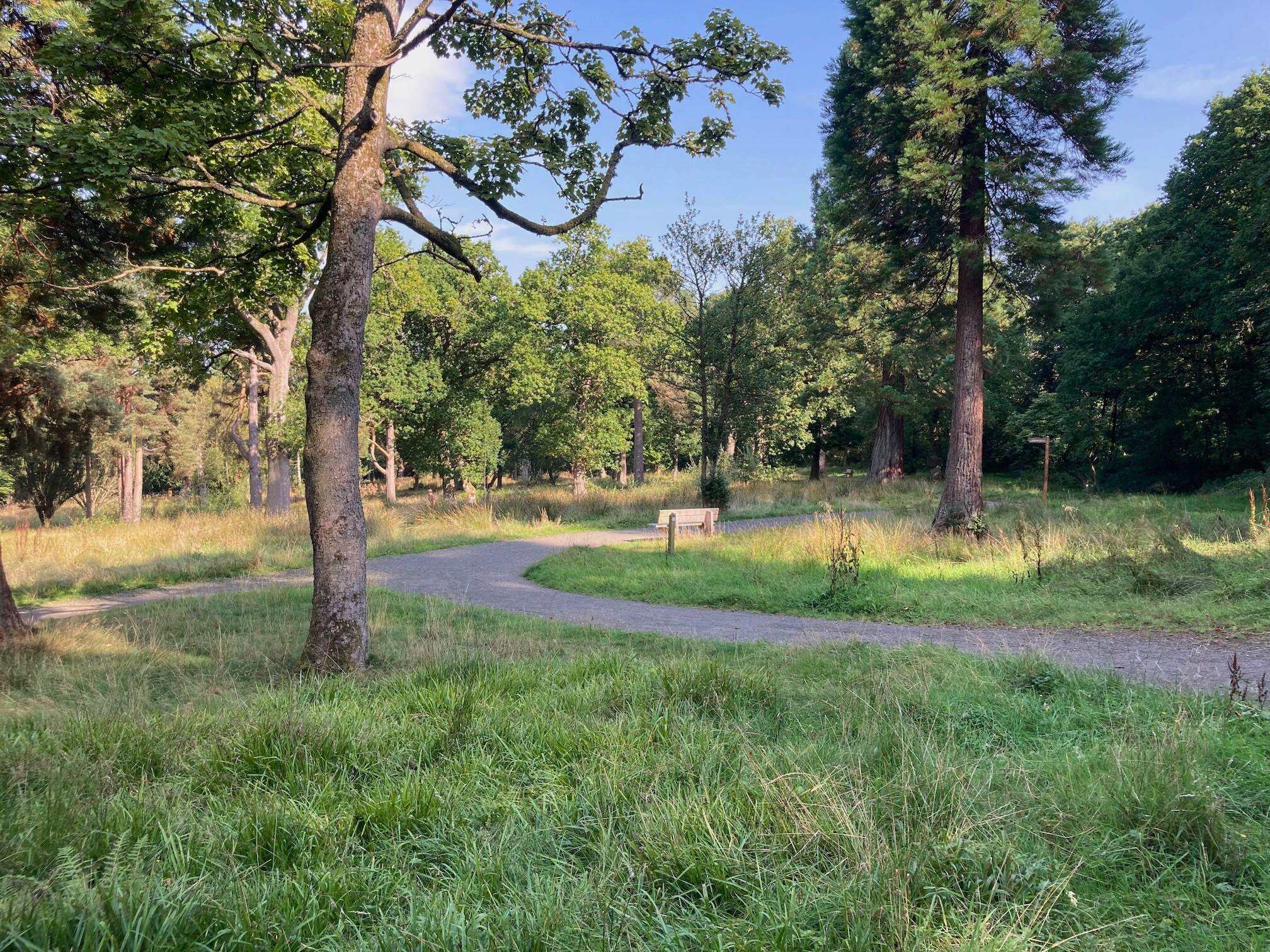
This was the case even when accounting for other factors linked to mental health outcomes, such as demographics and poverty.
This is further evidence of what’s sometimes referred to as the savanna principle. More interesting evidence: https://pubmed.ncbi.nlm.nih.gov/6143402/
Records on recovery after cholecystectomy of patients in a suburban Pennsylvania hospital between 1972 and 1981 were examined to determine whether assignment to a room with a window view of a natural setting might have restorative influences. Twenty-three surgical patients assigned to rooms with windows looking out on a natural scene had shorter postoperative hospital stays, received fewer negative evaluative comments in nurses’ notes, and took fewer potent analgesics than 23 matched patients in similar rooms with windows facing a brick building wall.
This is classic correlation rather than causation, although it might be a smaller factor, people living near parks and woodlands will tend to be in nicer neighborhoods, have better jobs and income, and so forth.
I would strongly presume anyway.
Dodgy presumption because they’ve tried to distinguish neighbourhood effects from the woodland effect and there was a project to make new woodland in less desirable areas.