

An Inside Climate News series that showed the often-hidden environmental impacts of China’s trillion-dollar global development push is a finalist for the John B. Oakes Award for Distinguished Environmental Journalism.
With reporting from Indonesia, Ecuador, Argentina, Peru, Zambia, Zimbabwe and Hungary, the “Planet China” stories showed how a country working to repair the ecological and public-health damage from its own industrialization is now wreaking similar harms beyond its borders.
“This trailblazing series connects the dots and unfurls a roadmap for environmental reporting in a globalized economy,” the judges wrote.
…
Much of the recent media attention China is receiving for environmental matters focus on its major renewable energy investments, a plus for the climate. But through its Belt and Road Initiative, Beijing is also constructing and financing a vast network of dams, mines, ports, railways and other infrastructure beyond its borders.
Chinese officials have described the investments as win-win partnerships with countries long oppressed by Western exploitation. Inside Climate News found devastating impacts on the environment and public health, while journalists in Belt and Road countries have faced intimidation when they reported on the problems.
…
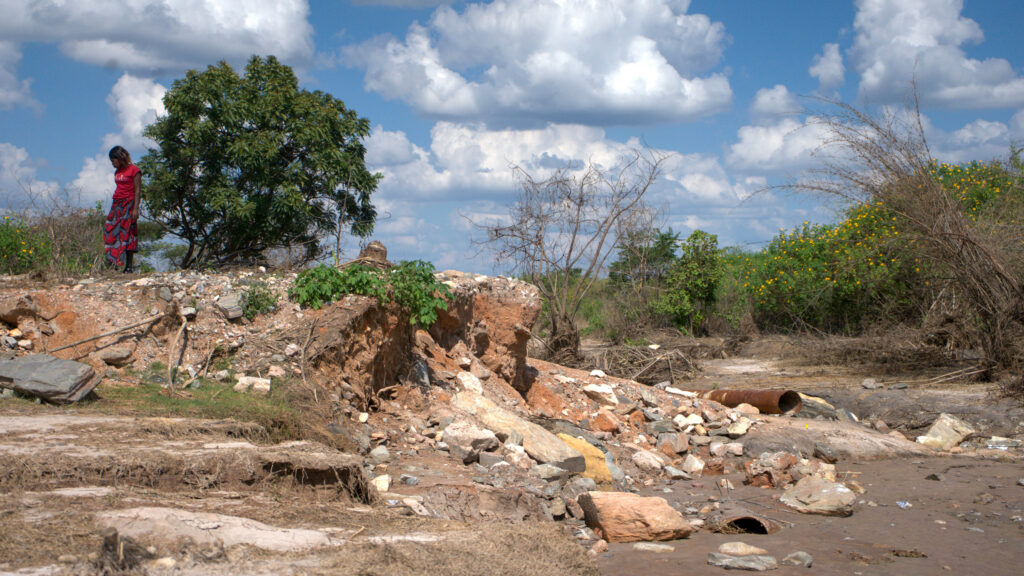
Chinese-built dams threaten one of Earth’s largest glacial ice fields in Patagonia and the world’s most endangered great ape in Indonesia. In Zambia, villagers whose livelihoods were wiped out by a Belt and Road mine’s waste-pit spill were restricted from seeing their lawyers and pressured to sign away their rights. In Peru, a new Chinese-backed megaport could tip the Amazon rainforest over the edge, and a fleet of Chinese coal plants built around the world is a huge hurdle for governments trying to meet climate pledges.
…