The Security Service found uranium in Geran-2 warheads striking Chernihiv Oblast and warned residents not to touch drone fragments, which can release radioactive dust.
Which is just extra mass in the munition. There’s no special property beyond being heavier per a certain volume that makes it crack armor better. Molten copper literally works better than DU to penetrate armor.
It’s all about disposal of radioactive waste. That’s really the answer. And that kills people on both sides of a conflict, years after the conflict is over. You like cancer? You want more?
Depleted uranium is favored for the penetrator because it is self-sharpening[36] and flammable.[32] On impact with a hard target, such as an armored vehicle, the tip of the projectile will be “mushroomed”,[37] while the back of the projectile is still a rigid solid. This leads to adiabatic shearing, and together with the spin of the projectile results in a shedding of the mushroomed plastic phase in such a way that it forms a new sharp tip. This shedding of the mushroomed tip improves penetration properties compared to the complete dispersal that takes place with tungsten penetrators,[38] therefore DU penetrators are 20% more effective than tungsten rounds.[39] The impact and subsequent release of heat energy causes it to ignite when in contact with oxygen.[32] When a DU penetrator reaches the interior of an armored vehicle, it catches fire, often igniting ammunition and fuel and possibly causing the vehicle to explode.[39] DU is used by the U.S. Army in 120 mm or 105 mm cannons employed on the M1 Abramstank.


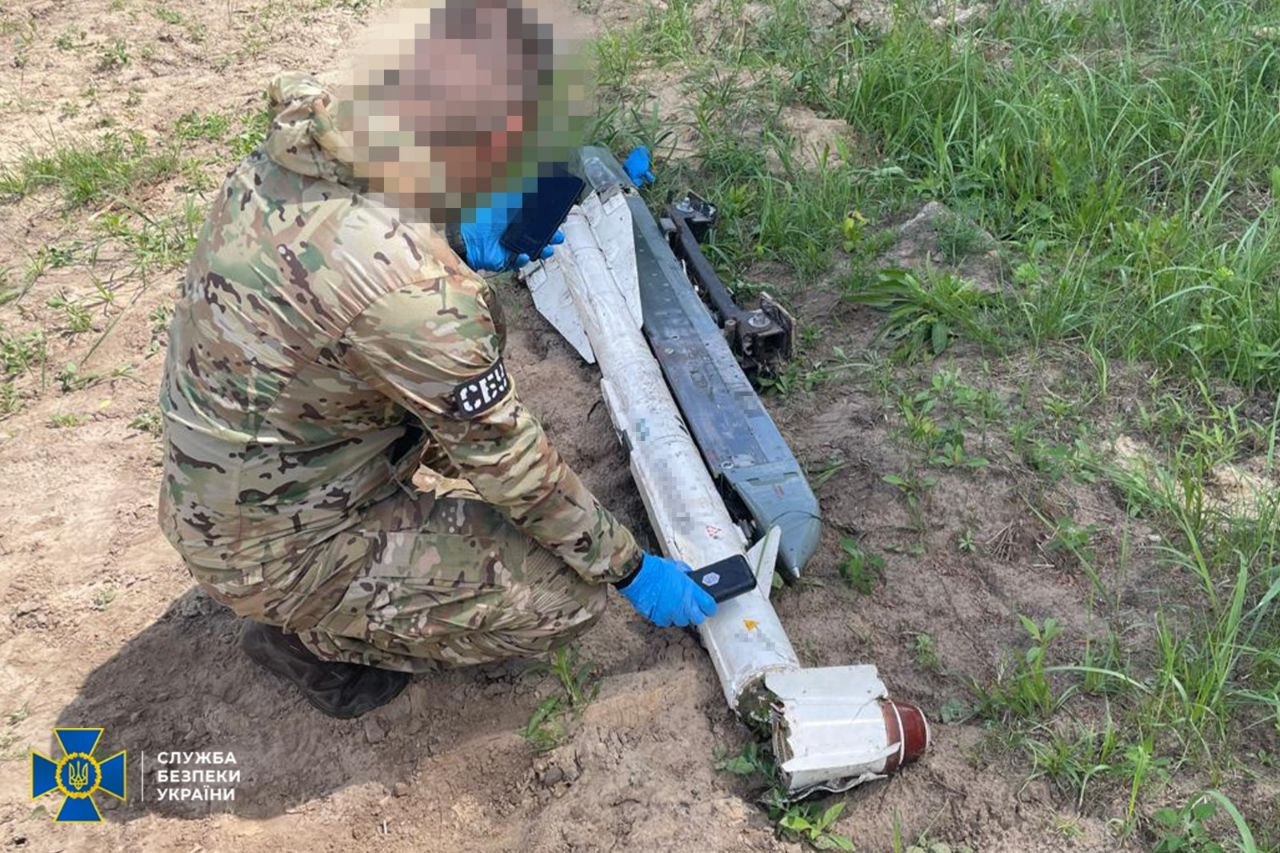
Thats just a side effect. The primary purpose of the uranium in the warhead is its armor piercing capabilities.
Which is just extra mass in the munition. There’s no special property beyond being heavier per a certain volume that makes it crack armor better. Molten copper literally works better than DU to penetrate armor.
It’s all about disposal of radioactive waste. That’s really the answer. And that kills people on both sides of a conflict, years after the conflict is over. You like cancer? You want more?
Wikipedia disagrees: