While this is fabulous news I do worry that there could be similar done for other genetic conditions that are far more contentious as to whether they’re a disability not.
Neurodivergence is the one that springs to mind right away. The majority of people on the autism spectrum are at level 1. While it has negatives there are positives into thinking and seeing the world differently.
How many of those would have been ‘curered’ in the womb by scared parents who’ve just been told that their child will be born autistic? Scared parents who’s fear will mean when hearing that they think of someone at the far end of level 3.
Then what about for ADHD and dyslexia.
What about other physical conditions like dwarfism etc.
Very true. I’m not saying it’s something that would be soon. These are discussions that should be now, to help determine morally where we as societies want to go with the new technology.
Personally I see this rift in the trans community rather often (although not as much right now anymore, there isn’t much room for controversial arguments when being threatened from ‘outside’). On one hand the absolute majority will tell you that they “wished to be born in the right body”. On the other hand many dislike or even reject science into how being trans happens (like this study) out of the very reasonable fear that it will be used to, again, pathologize our existence or outright eradicate us. I’ve heard similar hard questions and controversial discussions from other communities over the years as well. They usually somewhat reach academic circles at best but are never really discussed in public.
In the end it boils down to what the ulterior motive behind the science or technology is; care for- or eradication of humans (or their natural expression). And of course where we out the line between the definition of diversity and illness, something society has a really bad track record for.
Yeah, on the one hand it isn’t fair to let someone be born with a condition that negatively effects their life when there’s a treatment to prevent it happening. On the other hand, as you say it’s good to have divergent people in society - there really is strength in diversity.
So…Remember the X-Men series of movies? I forget which of the films it was, I stopped giving a shit about superhero movies a decade before it was cool, but one of them involved a “mutant cure.” Most of Professor X’s mutants saw it as an existential threat, but Rogue–whose ‘powers’ utterly sucked–saw it as something she wanted to do.
Ultimately I think the key here is individual consent. Yes and No need to be equally valid answers otherwise it gets pretty fucked up.
Some folks make a pretty good living for themselves looking at the world slightly differently than everyone else, other folks would like to do something with their life other than drool. Surely we the civilization that can split the atom and splice the genome can help both of these people live their best lives? Otherwise what the fuck are we even doing here?
I don’t know if you personally have any disabilities, but generally, when I see this take, the person doesn’t.
I’d take a crispr treatment without hesitation. And everyone I know would do the same. My partner and I are doing IVF not for fertility reasons but to ensure certain genes don’t get passed down to our kids.
That whole disability-is-a-positive view is a very privileged thing to say.
I definitely wouldn’t take a CRISPR treatment, despite having disabilities. Through my own things I am who I am, and sometimes they also help me, actually. Why don’t you ask the people with disabilities themselves?
Not the person you replied to, but this is a nuanced conversation, much beyond the simplicity of disabled or not.
Deafness is the one that comes to mind,
there are others that do as well, but I grew up in a Deaf household so I know a bit more about it.
For a group of Deaf people, they quite like being Deaf, they have their own language and schools etc. Those schools arent particularly decent, but for the group that like being Deaf they dont care. They’d rather fix the schools then fix their kids.
The notion that disability is a social issue is true, but fixing society to cater towards most disabled groups is a far greater task in most cases. Obviously Deafness and others are the expection where it is felt that it is easier/better to fix society.
Deafness has been “curable” for a while, yet i was raised to see that cure as a form of genocide, trying to erradicate a linguistic minority, rather than fix them. As without deaf children, it was very unlikely anyone would pick up their language.
I frankly think that there is no downside to try to be positive about disablilty, i say this from the uk, where the rhetoric has been destructive beyond belief. That said it is all very case dependent.


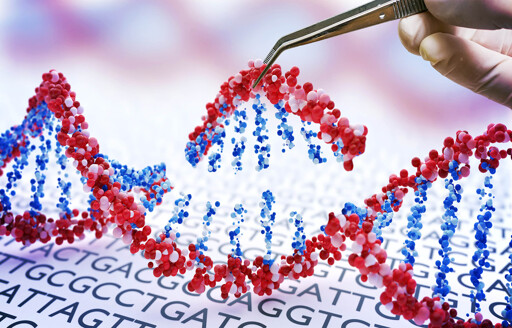
While this is fabulous news I do worry that there could be similar done for other genetic conditions that are far more contentious as to whether they’re a disability not.
Neurodivergence is the one that springs to mind right away. The majority of people on the autism spectrum are at level 1. While it has negatives there are positives into thinking and seeing the world differently.
How many of those would have been ‘curered’ in the womb by scared parents who’ve just been told that their child will be born autistic? Scared parents who’s fear will mean when hearing that they think of someone at the far end of level 3.
Then what about for ADHD and dyslexia.
What about other physical conditions like dwarfism etc.
Pretty sure Autism is a lot more complex genetically and we don’t even know just how complex.
Very true. I’m not saying it’s something that would be soon. These are discussions that should be now, to help determine morally where we as societies want to go with the new technology.
Personally I see this rift in the trans community rather often (although not as much right now anymore, there isn’t much room for controversial arguments when being threatened from ‘outside’). On one hand the absolute majority will tell you that they “wished to be born in the right body”. On the other hand many dislike or even reject science into how being trans happens (like this study) out of the very reasonable fear that it will be used to, again, pathologize our existence or outright eradicate us. I’ve heard similar hard questions and controversial discussions from other communities over the years as well. They usually somewhat reach academic circles at best but are never really discussed in public.
In the end it boils down to what the ulterior motive behind the science or technology is; care for- or eradication of humans (or their natural expression). And of course where we out the line between the definition of diversity and illness, something society has a really bad track record for.
Yeah, on the one hand it isn’t fair to let someone be born with a condition that negatively effects their life when there’s a treatment to prevent it happening. On the other hand, as you say it’s good to have divergent people in society - there really is strength in diversity.
So…Remember the X-Men series of movies? I forget which of the films it was, I stopped giving a shit about superhero movies a decade before it was cool, but one of them involved a “mutant cure.” Most of Professor X’s mutants saw it as an existential threat, but Rogue–whose ‘powers’ utterly sucked–saw it as something she wanted to do.
Ultimately I think the key here is individual consent. Yes and No need to be equally valid answers otherwise it gets pretty fucked up.
Some folks make a pretty good living for themselves looking at the world slightly differently than everyone else, other folks would like to do something with their life other than drool. Surely we the civilization that can split the atom and splice the genome can help both of these people live their best lives? Otherwise what the fuck are we even doing here?
I don’t know if you personally have any disabilities, but generally, when I see this take, the person doesn’t.
I’d take a crispr treatment without hesitation. And everyone I know would do the same. My partner and I are doing IVF not for fertility reasons but to ensure certain genes don’t get passed down to our kids.
That whole disability-is-a-positive view is a very privileged thing to say.
I definitely wouldn’t take a CRISPR treatment, despite having disabilities. Through my own things I am who I am, and sometimes they also help me, actually. Why don’t you ask the people with disabilities themselves?
Not the person you replied to, but this is a nuanced conversation, much beyond the simplicity of disabled or not.
Deafness is the one that comes to mind, there are others that do as well, but I grew up in a Deaf household so I know a bit more about it.
For a group of Deaf people, they quite like being Deaf, they have their own language and schools etc. Those schools arent particularly decent, but for the group that like being Deaf they dont care. They’d rather fix the schools then fix their kids.
The notion that disability is a social issue is true, but fixing society to cater towards most disabled groups is a far greater task in most cases. Obviously Deafness and others are the expection where it is felt that it is easier/better to fix society.
Deafness has been “curable” for a while, yet i was raised to see that cure as a form of genocide, trying to erradicate a linguistic minority, rather than fix them. As without deaf children, it was very unlikely anyone would pick up their language.
I frankly think that there is no downside to try to be positive about disablilty, i say this from the uk, where the rhetoric has been destructive beyond belief. That said it is all very case dependent.