

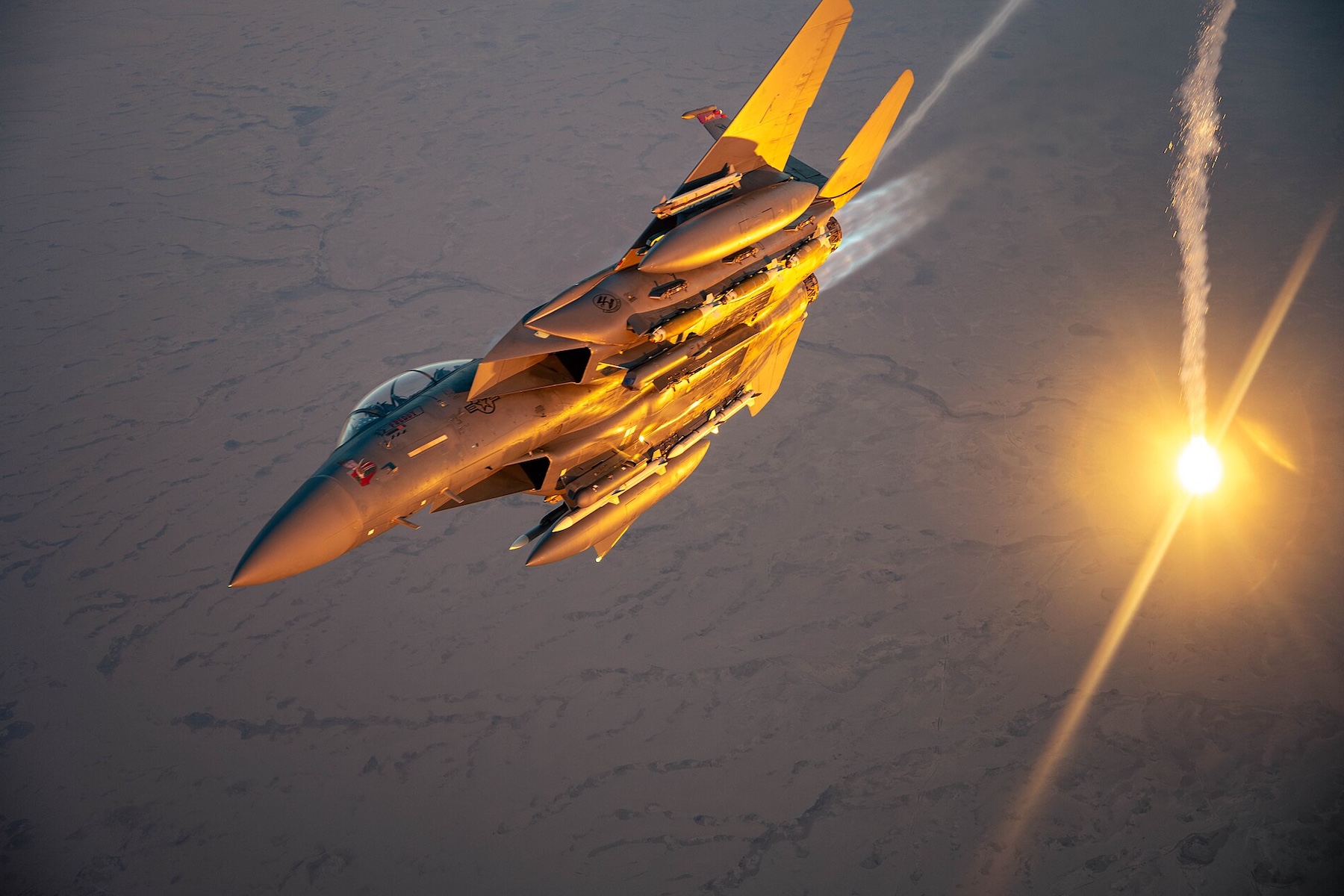
Millennium Challenge was the name of a $250 million (US) war game, perhaps the most expensive in history, organized in 2002 by United States Joint Forces Command. It was designed to evaluate the new generation of American military technology—weapons, sensors, battlefield systems—in which the United States fought against a Middle Eastern adversary, either Iran or Iraq.
Lieutenant General Paul K. Van Riper of the Marine Corps was given command of the enemy force. Riper, who, in later interviews, expressed his doubts about the over-reliance on technology, devised an unconventional strategy. This included using low-tech communication methods—like motorcycle couriers and lanterns for signalling—to evade electronic detection. Riper also used waves of cruise missiles to overwhelm the attacking force’s defences. The results were stunning. Riper’s unsophisticated tactics sank sixteen American warships, wiping out the invading fleet, and ending the war game nearly as soon as it started.
But perhaps most surprising was what happened next: Joint Forces Command ordered the game restarted, “refloated” the sunk warships, and placed considerable constraints on Riper’s enemy force. Riper stopped playing the game: he had already won, and the new constraints were, in his eyes, scripted to deliver an American victory.
History doesn’t repeat itself, but it often rhymes. As Donald Trump’s illegal war on Iran grinds into its third month, it’s become obvious few in the Trump administration have heard of Millennium Challenge. Perhaps defence secretary Pete Hegseth shouldn’t have fired all those generals.
That said, the deficiencies of the conflict aren’t limited to the lack of planning, strategy, or clearly articulated goals. Much like the Millennium Challenge demonstrated, advanced military technology doesn’t guarantee an easy victory. Bombastic rhetoric notwithstanding, Iran has proven to be a resilient and innovative adversary. Not only have they managed to close the Strait of Hormuz to most shipping, causing a global economic crisis, they’ve further managed to rain down drones, rockets, and missiles across the Middle East.
The fact that Ajent Ornj keeps threatening every country with tariffs, invasion, annexation, general war… Generally insulting them…
Why would anyone want to buy from us?
The article mostly focuses on the effectiveness of US weapons in the war, but the war has also shown that when the US gets low on munitions, it’s “America first”, with allies being left to wait:
Estonia’s Minister of Defense Hanno Pevkur on Monday said the U.S. has paused Estonia’s deliveries until the end of the war in Iran, at least. If the conflict lasts for a long time, Estonia may start to reconsider its previous decisions about weapons purchases, he added.
And thanks to their military doctrine where they produce a limited quantity of very flashy, expensive weapons, they will get low on munitions when they engage in any serious conflict. Watching the US flounder against Iran (who apparently spends between 8-25 billion a year on defence according to various estimates I looked at) really makes you wonder if buying weapons from the US is buying weapons for yesterday’s war.
Plus buying weapons from a potential occupying force means no munitions beyond what we’ve purchased before the conflict broke. We either have to manufacture our own weapons or buy from our potential occupier’s enemies. Or both.
I feel like the best defence is to build at home. With drones playing such an important role, it opens the door for Canadians to innovate. This is where the need to rebuild so much of our military could end up being beneficial as the ways people make war are shifting dramatically.
Canada could learn a thing or two from Ukraine. Well much more than two right now.