- cross-posted to:
- world@quokk.au
- cross-posted to:
- world@quokk.au
In a major shift, the International Monetary Fund is now calling for a coordinated response to global trade imbalances. Translation: China’s persistent trade surpluses are a global problem.
In April, Kristalina Georgieva, managing director of the IMF, said the following:
“Not all [trade] imbalances are born equal. … We have excessive imbalances. And it is excessive imbalances that we are concerned about.”
…
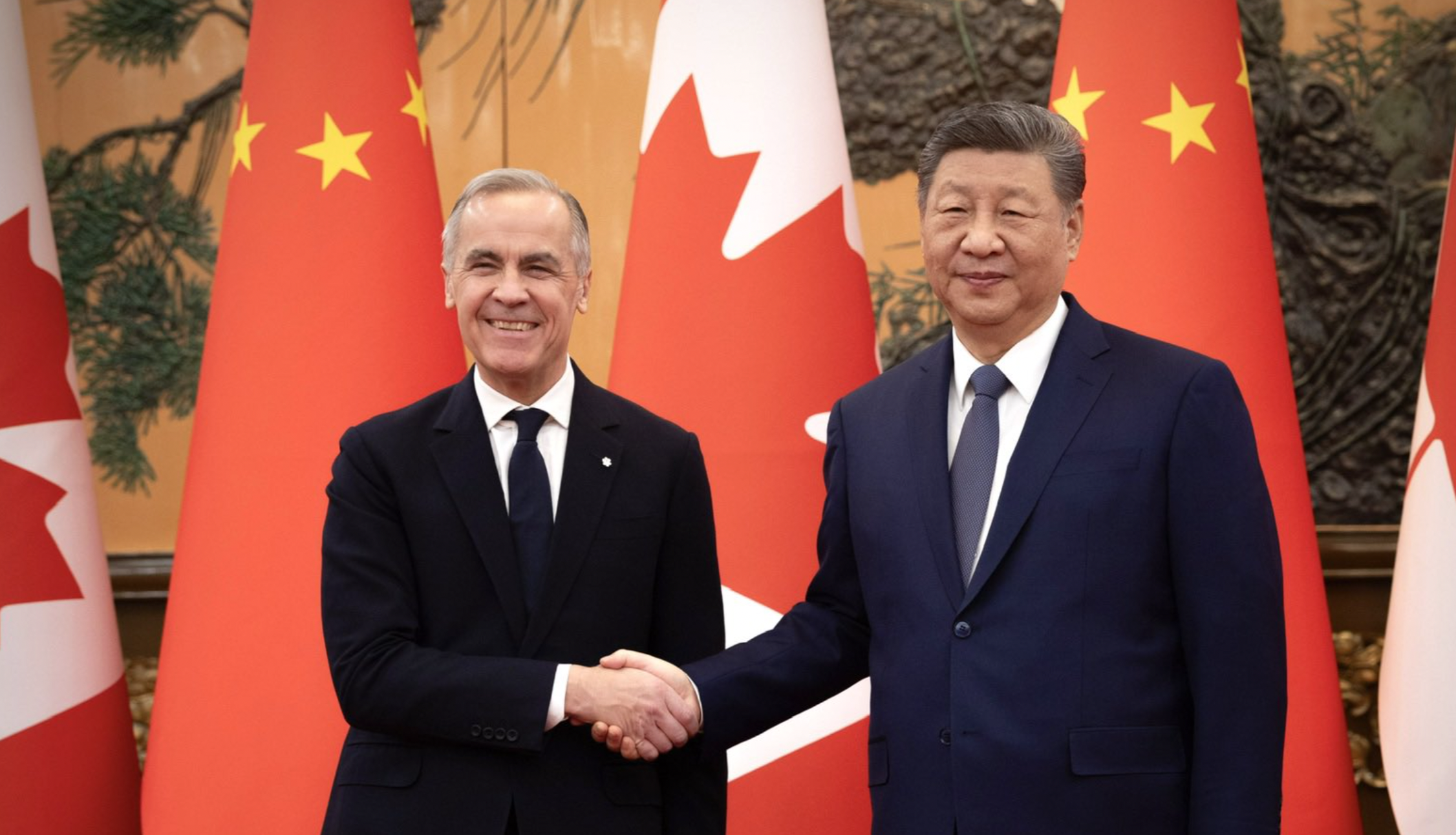
Georgieva’s call for a cooperative solution is the perfect opportunity … for [Canadian] Prime Minister Mark Carney to implement his much-touted vision for middle powers to unite against global hegemons.
…
For decades, and in recent years in particular, China has aggressively pursued what a recent research report referred to as an “industrial policy of everything.”
… [Michael Pettis, a leading expert on China’s economy, argues that] China …t is a “net exporter across the board — i.e. run[ing] large, persistent trade surpluses.”
…
Economists have a name for this: mercantilism, a zero-sum strategy once popular with colonial powers.
…
This “non-functional” system has worked for decades because the U.S., U.K. and Canada absorbed about 70 per cent of the global imbalances, Pettis says. The tradeoff was the deindustrialization of their own economies.
But under both Trump administrations, and the intervening Biden administration, the U.S. made half-hearted efforts to correct course.
The problem is its implementation has been deeply flawed. Instead of pursuing a coordinated response with other net importing economies, the U.S. has abdicated its leadership role and tariffed China on its own (while simultaneously slapping tariffs on friends alike.) It also quickly lowered its 145-per-cent tariffs on China after the country threatened to withhold its critical minerals.
But even if America’s high unilateral tariffs had stayed in place, this would not have solved the problem. China would simply shift its surplus exports to other parts of the world.
“If the US decides to opt out of this system (and so far, for all Washington’s huffing and puffing, it has barely changed its role), the rest of the world will see the costs accelerate,” Pettis said.
…
In short, a unilateral response is not the answer. Multilateralism is.
…
If the G7 economies imposed high tariffs on China in concert, this might be enough to get China to change course.
As the former head of the Bank of Canada and Bank of England, Carney has the unparalleled credibility to lead on this issue. He has also shown an impressive ability to unite people around a common economic vision.
So far, however, he has shown little sign that he regards China’s export-driven growth model as a major threat to Canada’s manufacturing industry and economy at large.
At Davos, Carney spoke of the power that the middle powers have if they act together.
This is an opportunity to put that rhetoric into practice.
…
You must log in or # to comment.
Canada just slightly thawed a frozen relationship, which we relented somewhat on Tariffs of Chinese car exports with a 50k import cap in exchange for relief of Chinese tariffs of Canola and some other foodstuffs. To march in with tariff threats again would make no sense on Canada’s part. The US has stated boldly and baldly they want to dismantle Canadian auto, what is our motivation to help the US in this regard?
Right now the US is attacking all our economies, attempting to weaken us economically so they can dominate us and make us dependent on them, just like China is doing. The middle powers should be focusing on completing free trade alliances, CETA/CPTPP/MERCOSUR etc, and get those blocks aligned. Only this will give us leverage against the predatory hegemons of the world.
Yes, we should have followed Trump’s lead and imposed high tariffs on China. Trade wars are good and easy to win 🙄
It would help if you read the article before commenting.
Stop assuming people do not read your shitty articles
Yeah, were not interested in taking on any more global political paradigm changing crises right now. We have ebough